CLICAR
CLICAR provides hybrid and electric vehicle rentals for professional ride-hailing drivers. An official Uber partner in France, the company now operates in both France and the UK, with agencies in Paris, Lyon, and London.
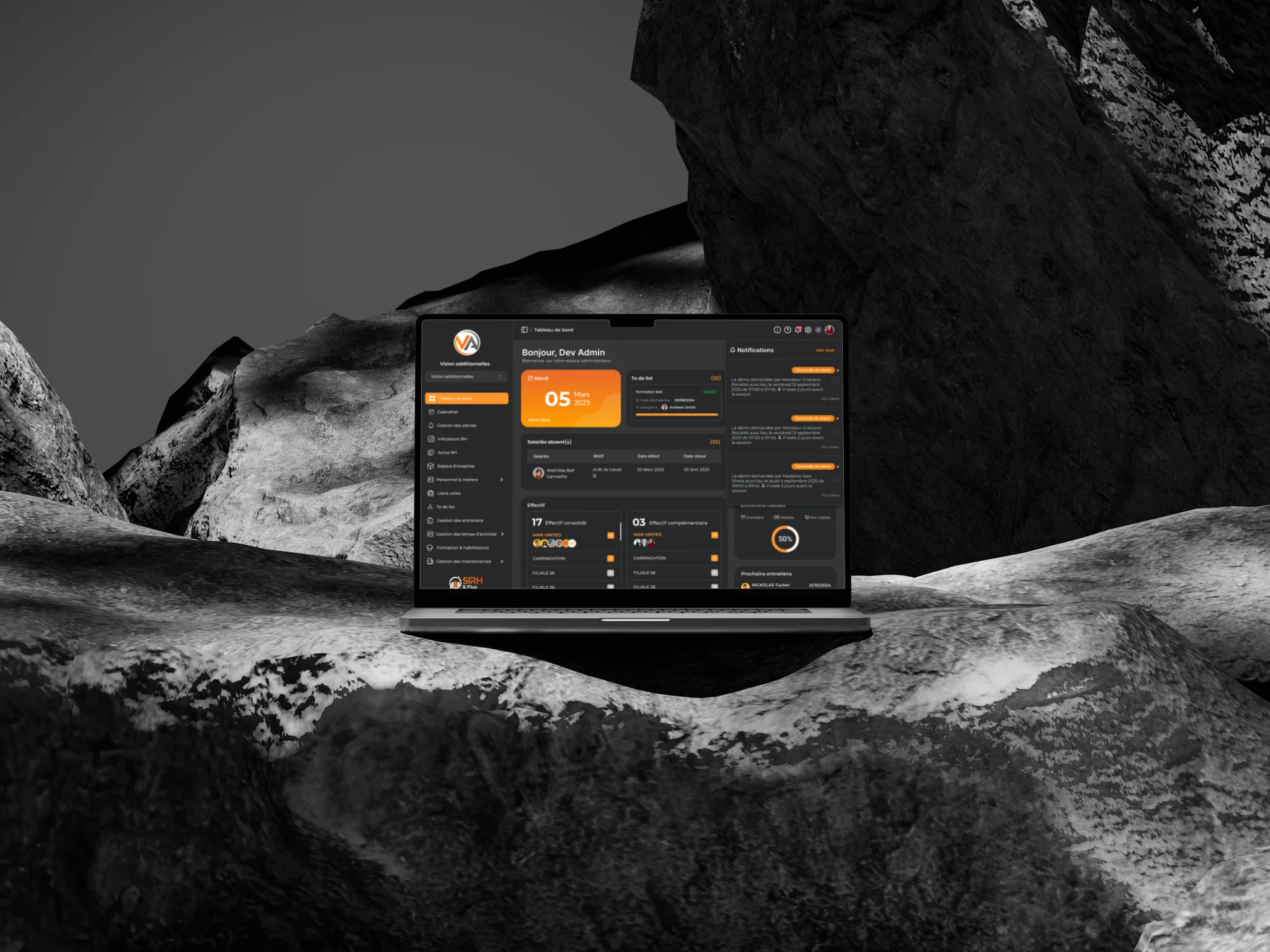
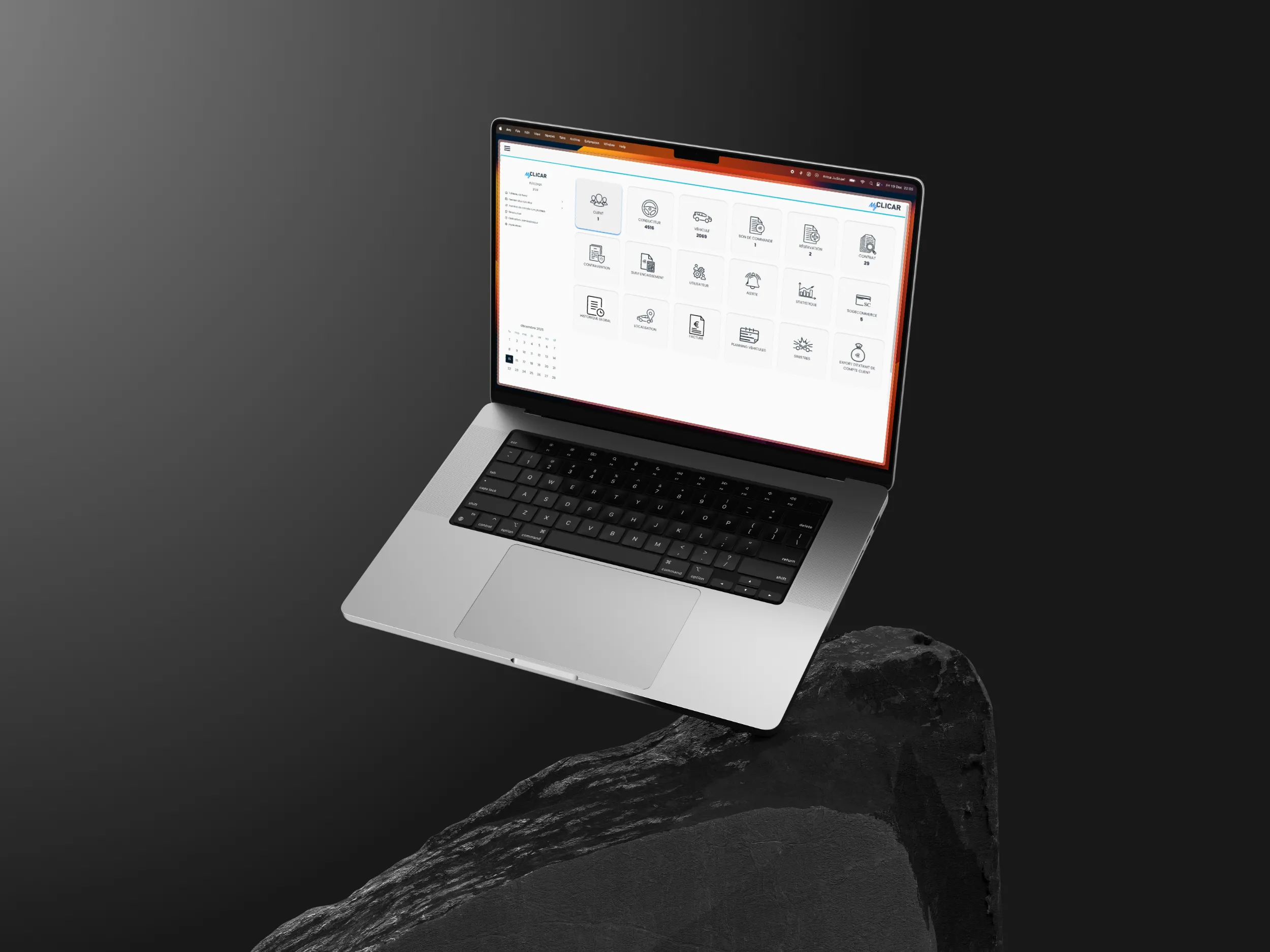
I worked on the internal platform behind the rental business, connecting customer management, vehicle fleets, contracts, payments, and legal workflows in one operational system.
A key contribution was complex schedule generation for fleets of up to 1,000 vehicles and their Uber drivers, accounting for labor law requirements alongside Uber performance indicators such as driver ratings and earnings.
The platform supports daily business operations and financial transactions representing several million euros in annual revenue, making payment reliability and accurate client accounting central to the product.
Context & Problem
Vehicle rental for ride-hailing drivers brings together fleet availability, customer records, rental contracts, recurring financial obligations, and legal follow-up.
For a business serving drivers on platforms such as Uber, fragmented tools and manual processes made it harder to maintain a consistent view of customers, vehicles, and financial operations.
Scheduling up to 1,000 vehicles and their drivers required combining labor law constraints with Uber performance data, including driver ratings and earnings.
The internal platform needed to bring these workflows together while protecting the reliability of operations with direct financial and legal consequences.
Role & Scope
Fullstack Developer
Fullstack delivery across complex fleet scheduling, Uber performance data, operational interfaces, backend APIs, payment processing, and client accounting.
Solution & Architecture
A centralized fullstack platform connected fleet scheduling, customer, contract, and financial workflows, giving internal teams a shared operational tool.
Schedule generation incorporated labor law requirements and Uber driver performance indicators to support planning across fleets of up to 1,000 vehicles.
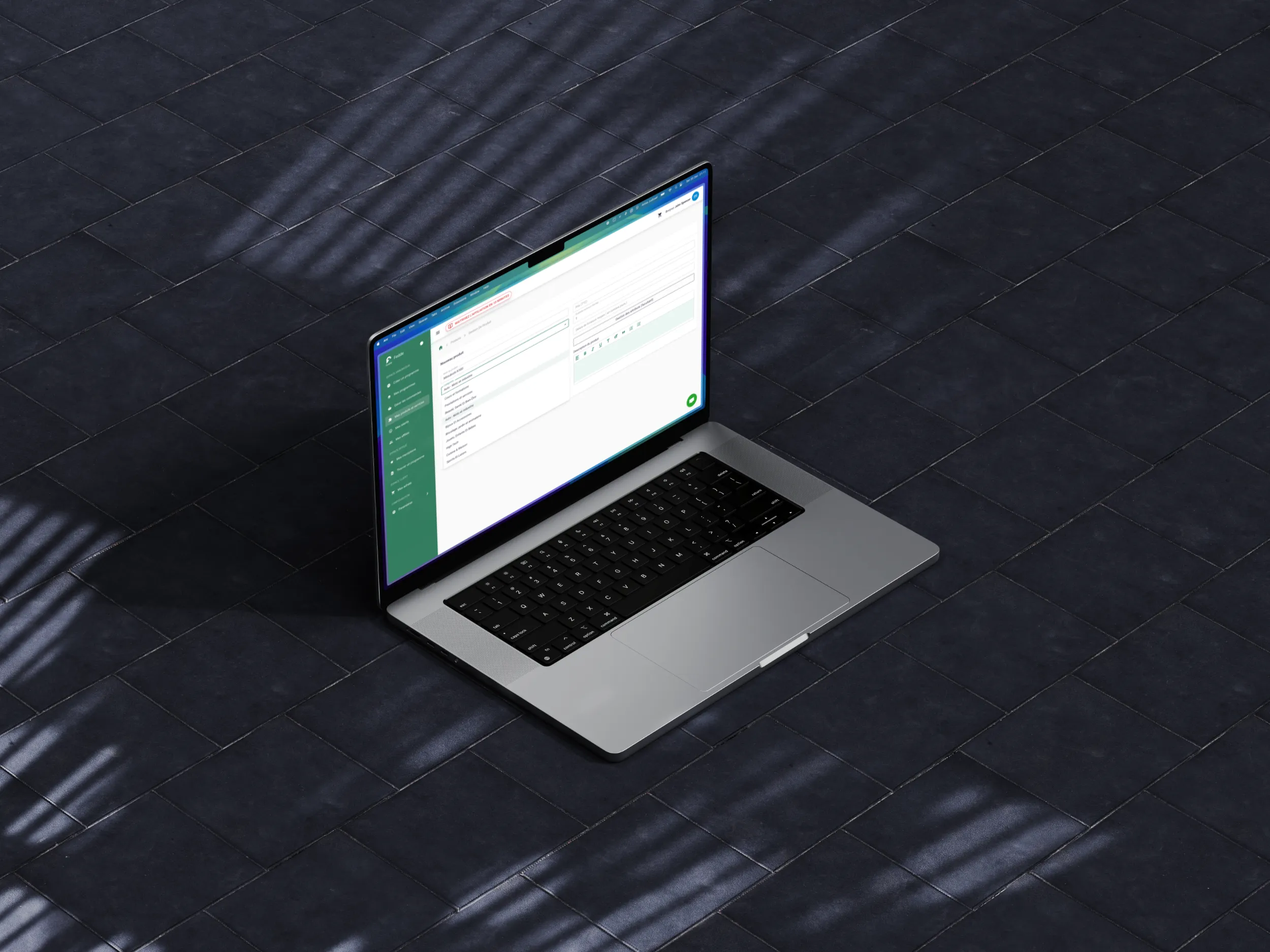
Dedicated payment and client accounting modules brought financial workflows into the same system as rental operations, with Sogecommerce integration for secure payment processing.
Backend APIs and third-party integrations supported operational data synchronization across the business and its external services.
Key Contributions
Developed complex schedule generation for up to 1,000 vehicles and Uber drivers, incorporating labor law constraints, driver ratings, and earnings
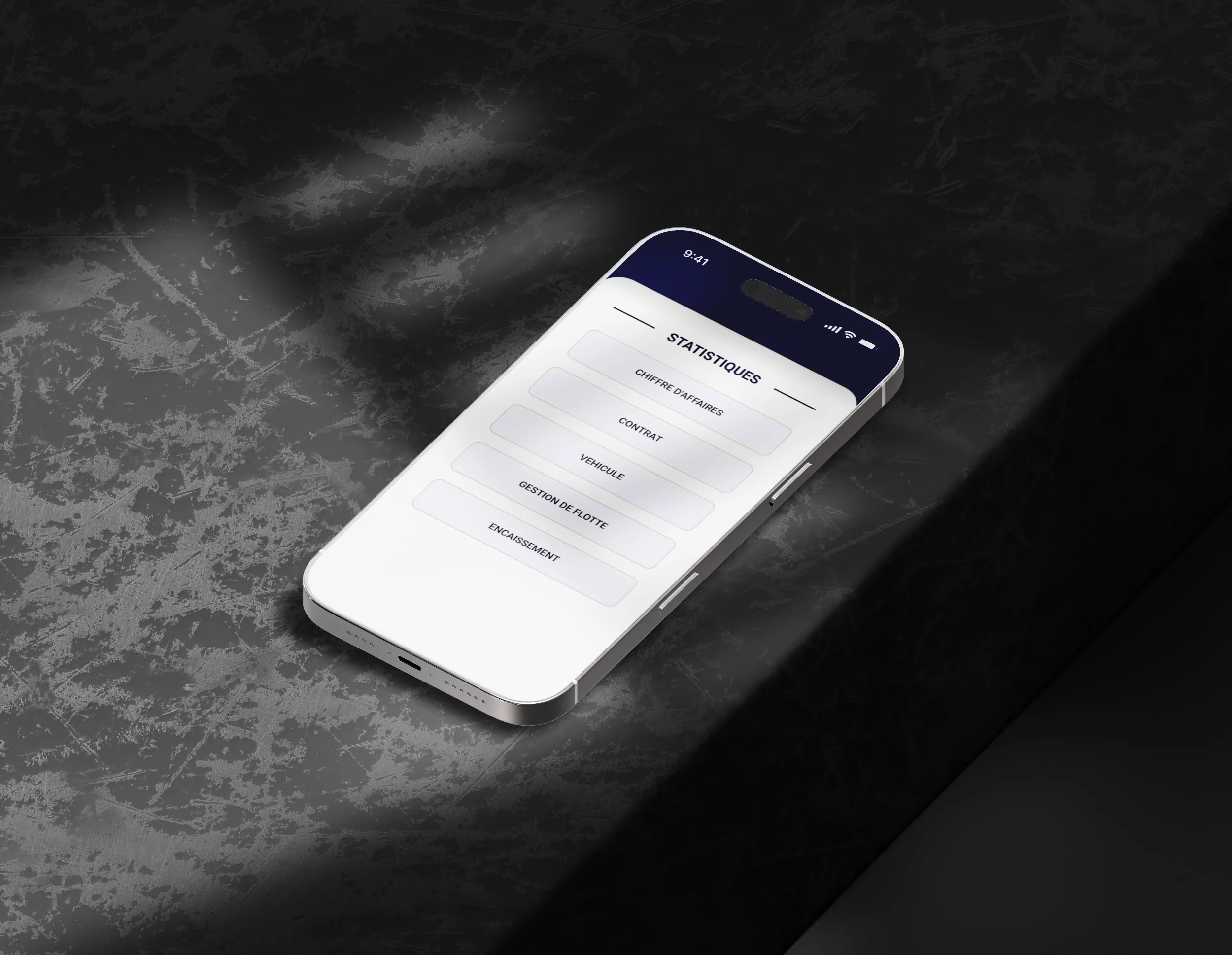
Designed and implemented payment and client accounting modules supporting core financial operations
Built frontend interfaces and backend APIs for day-to-day rental management
Modeled interconnected business domains covering customers, vehicles, contracts, and disputes
Integrated Sogecommerce for secure payment processing and handled payment failure scenarios
Implemented third-party integrations to synchronize operational data with external services
Challenges & Trade-offs
Combining labor law constraints and Uber performance indicators in complex scheduling across up to 1,000 vehicles
Keeping customer, vehicle, contract, and financial data consistent across connected workflows
Handling payment edge cases and failures in a system with direct financial consequences
Translating rental operations and legal requirements into clear interfaces and reliable business logic
Outcome & Impact
Enabled schedule generation for fleets of up to 1,000 vehicles, bringing labor law requirements and Uber driver performance into the planning workflow
Helped turn fragmented rental workflows into a central operational platform, reducing manual work and improving visibility across departments.
Delivered payment and accounting capabilities within a business-critical system supporting millions of euros in annual transactions.